5 Common Healthcare Cleaning Mistakes and How to Avoid Them
- cleaning concepts
- Jan 29
- 5 min read

When it comes to healthcare environments, cleaning isn't just about appearances: it's about patient safety, regulatory compliance, and infection prevention. Generally speaking, the stakes in medical office cleaning are significantly higher than in standard commercial settings, and the margin for error is razor-thin.
Whether you manage a busy urgent care clinic in Newark, a dental practice in Jersey City, or a multi-physician office in the Tri-State area, understanding these common healthcare cleaning mistakes may help you avoid costly compliance issues, protect your patients, and maintain the reputation your facility has worked hard to build.
Having said that, let's dive into the five most frequent cleaning errors we see in healthcare environments: and, more importantly, how your team can address them.
Mistake #1: Skipping the Pre-Cleaning Step Before Disinfection
Here's a misconception that catches many facility managers off guard: disinfecting and cleaning are not the same thing. In fact, effective disinfection services require a two-step process that many standard janitorial teams simply don't follow.
When surfaces are covered with visible debris, dirt, or biological matter, disinfectants cannot effectively penetrate and eliminate pathogens. The organic material essentially creates a barrier that shields bacteria and viruses from the disinfecting agent. This means that even if your team is applying hospital-grade disinfectant, it may not be doing its job if the surface wasn't properly cleaned first.
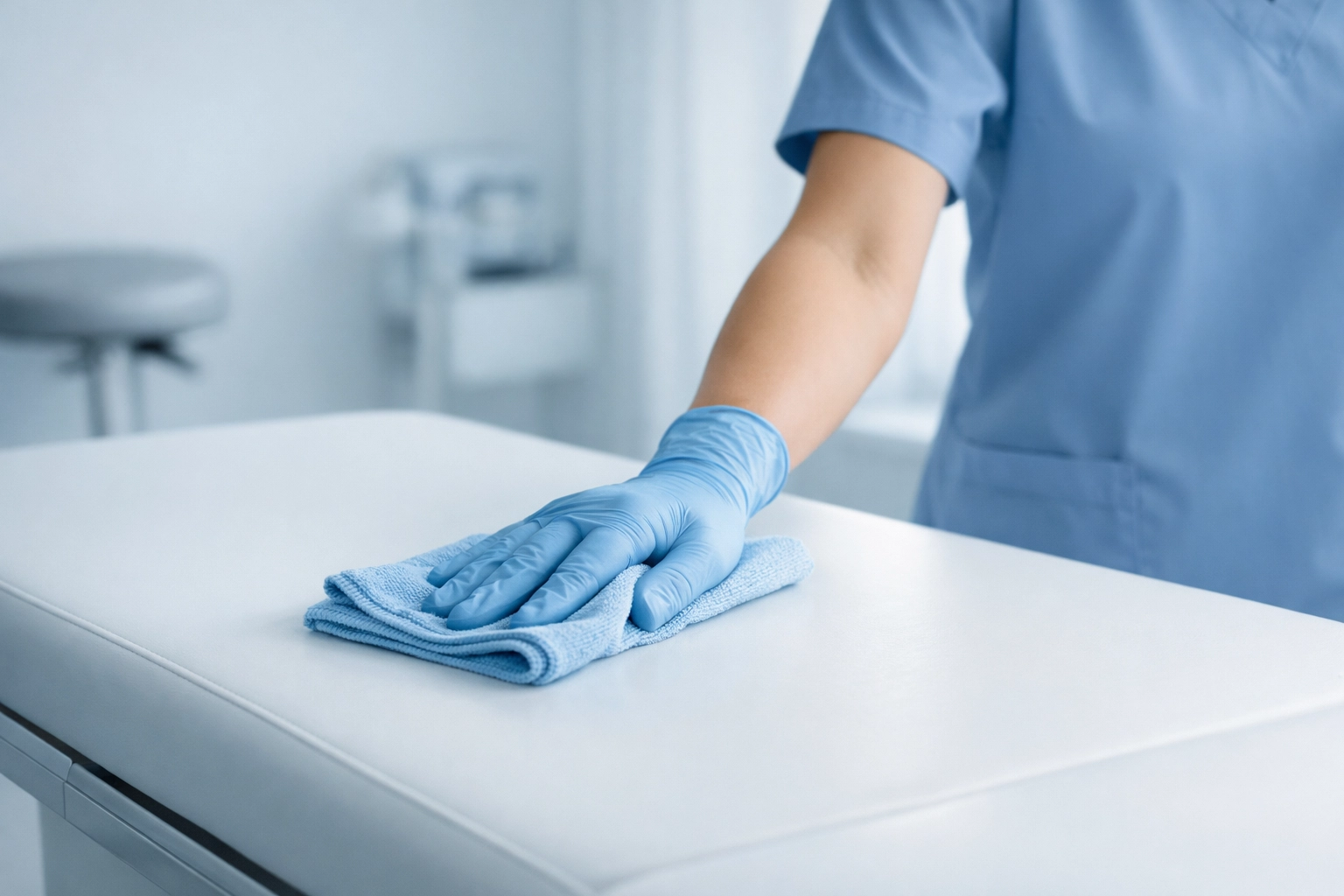
How to Avoid This Mistake
Establishing a mandatory pre-disinfection cleaning protocol is essential. This means training your cleaning staff: or partnering with a specialized healthcare cleaning services provider: to always wipe surfaces clean of all visible debris before applying any disinfectant solution.
For healthcare facilities in the NJ area, this distinction between general janitorial work and medical-grade cleaning protocols is critical. It's one of the key reasons why standard commercial cleaning approaches may fall short in medical environments.
Mistake #2: Ignoring Product Dwell Time Requirements
Every professional-grade disinfectant comes with a specified "dwell time": the duration the product must remain wet on a surface to achieve its full antimicrobial effectiveness. This required contact time typically ranges from 2 to 10 minutes, depending on the specific product and the pathogens being targeted.
Here's where things get tricky: many cleaning solutions function only as sanitizers at shorter contact times but become true disinfectants only when allowed to dwell for the full recommended duration. When staff members wipe surfaces dry too quickly: often due to time pressure or lack of training: the disinfection process is essentially incomplete.
How to Avoid This Mistake
Proper training is the foundation here. Your cleaning team should understand not just what products to use, but how to use them correctly. This includes:
Reading and following manufacturer instructions for each product
Allowing surfaces to remain visibly wet for the full recommended dwell time
Never rushing through disinfection protocols, even during busy periods
Documenting compliance with dwell time requirements where relevant
With over 12 years of experience in commercial and healthcare cleaning, we've seen firsthand how this single adjustment can dramatically improve a facility's infection control outcomes.
Mistake #3: Neglecting High-Touch Surfaces
High-touch surfaces are exactly what they sound like: areas that people touch frequently throughout the day. In healthcare settings, these include doorknobs, light switches, bed rails, elevator buttons, reception desks, keyboards, phones, and medical equipment handles.
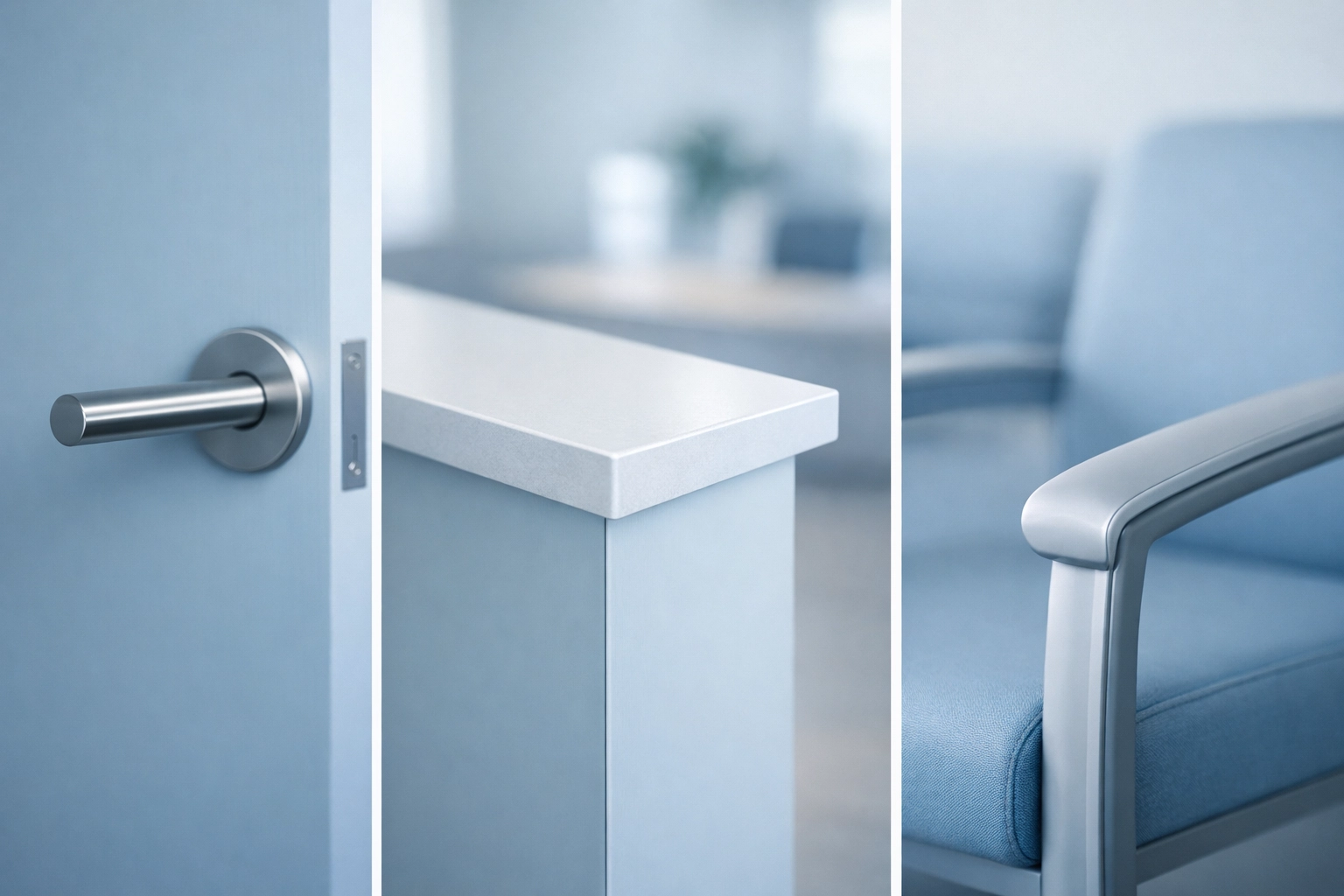
These surfaces become the most contaminated areas in patient rooms and common spaces. They serve as transmission points for pathogens and can spread infection rapidly if not cleaned with adequate frequency. Unfortunately, many cleaning protocols focus heavily on floors and visible surfaces while overlooking these critical touchpoints.
How to Avoid This Mistake
Developing a comprehensive high-touch surface checklist is essential for any medical office cleaning program. This checklist should be:
Specific: Identify every high-touch surface in each room type
Systematic: Ensure staff follow a consistent pattern to avoid missing areas
Frequent: Schedule multiple cleanings throughout the day, not just during end-of-day routines
Healthcare facilities should consider increasing cleaning frequency for these surfaces significantly: particularly in waiting rooms, exam rooms, and restrooms where patient traffic is highest.
Mistake #4: Using Incorrect Products or Concentrations
Not all cleaning products are created equal, and selecting the wrong disinfectant: or using the right one at incorrect concentrations: can undermine your entire infection prevention strategy. This mistake is particularly common when facilities rely on general janitorial services that aren't specifically trained for healthcare environments.
Common errors in this category include:
Using consumer-grade products instead of hospital-grade disinfectants
Diluting concentrated solutions incorrectly
Applying the wrong chemical for specific surface types
Cross-contaminating surfaces by using the same cloth or mop across different areas
How to Avoid This Mistake
Investing in high-quality, EPA-registered, hospital-grade disinfectants is non-negotiable for healthcare facilities. Beyond product selection, implementing a color-coded system can help ensure staff members use the correct products and tools for each cleaning task.
For example, many professional healthcare cleaning services use different colored microfiber cloths for restrooms versus patient care areas, preventing cross-contamination and ensuring appropriate chemical usage.
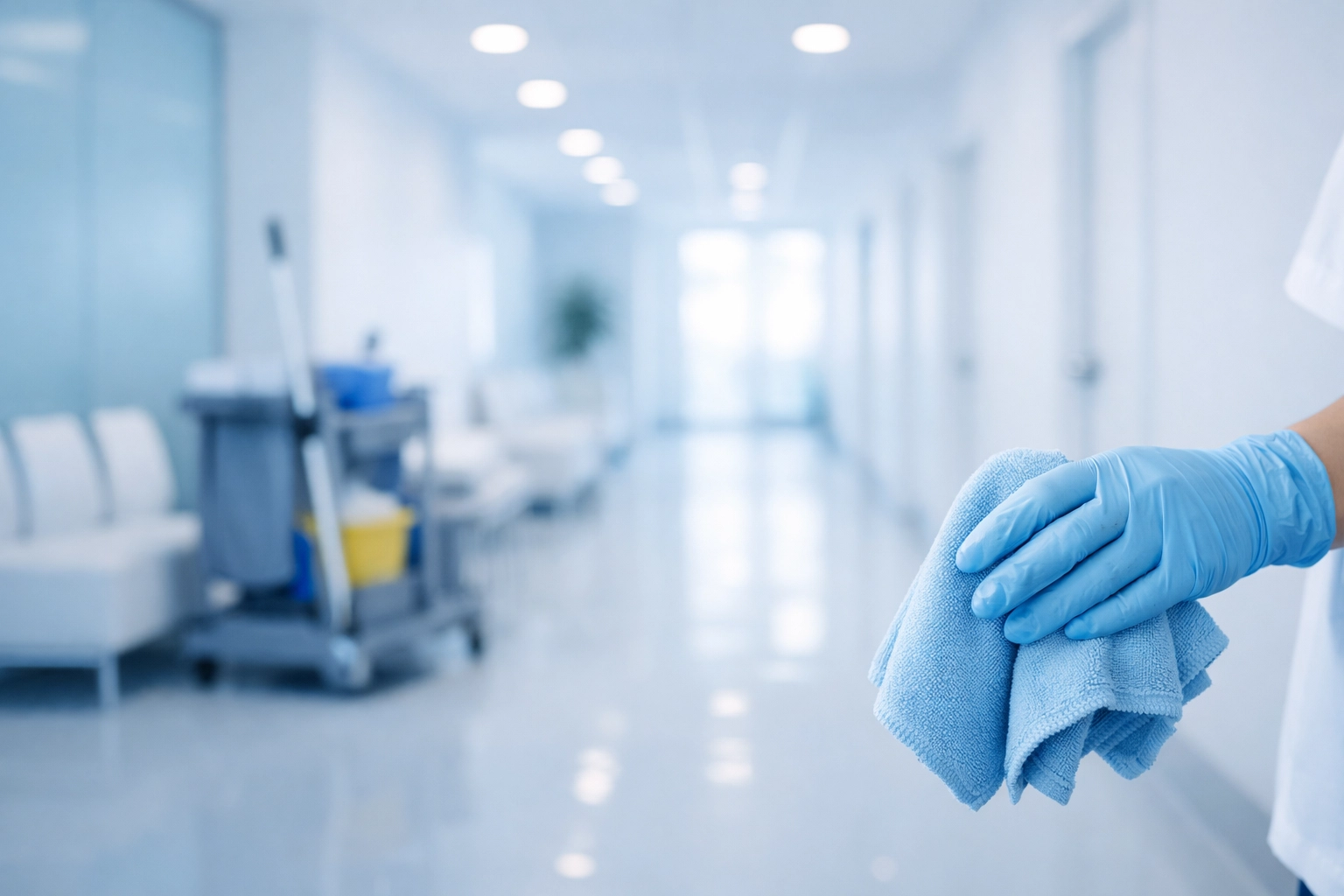
Regular staff training sessions should reinforce which products are appropriate for specific surfaces and situations. This is an area where partnering with an experienced medical office cleaning provider can make a significant difference in compliance and outcomes.
Mistake #5: Improper Storage of Cleaning Solutions and Wipes
This final mistake is often overlooked but can have serious consequences. When wipe containers are left open, moisture evaporates, causing the wipes to dry out and lose their disinfecting effectiveness. Similarly, cleaning solutions stored in open or improperly sealed containers can become contaminated: meaning you're actually spreading bacteria with each application rather than eliminating it.
How to Avoid This Mistake
Establishing strict protocols for product storage is essential:
Always reseal wipe containers tightly after each use
Never "top off" partially empty containers with fresh solution (this can introduce contamination)
Replace containers on a regular schedule, even if product remains
Store all cleaning supplies in designated, climate-controlled areas
Discard single-use wipes after each application: never reuse them
These may seem like small details, but in healthcare cleaning services, the details are what separate adequate cleaning from truly effective infection prevention.
Why Specialized Healthcare Cleaning Services Matter
Throughout this discussion, you may have noticed a common thread: healthcare cleaning requires specialized knowledge, training, and protocols that go far beyond standard commercial cleaning practices. The consequences of getting it wrong: potential HAIs (healthcare-associated infections), regulatory citations, and damage to patient trust: are simply too significant to leave to chance.
When evaluating your current cleaning program or considering a new provider, look for partners who understand:
Healthcare-specific compliance requirements
Proper disinfection protocols and dwell times
High-touch surface identification and cleaning frequency
Appropriate product selection for medical environments
Staff training and documentation requirements
At Cleaning Concept LLC, we've spent over 12 years developing and refining our approach to commercial cleaning across the NJ Tri-State area. Our commitment to health and safety standards means we understand the unique challenges healthcare facility managers face every day.
Taking the Next Step
If you're concerned that your current cleaning protocols may be falling short, or if you're simply looking for a partner who understands the specialized requirements of medical office cleaning, we'd welcome the opportunity to discuss your needs.
Every healthcare facility is different, and the right cleaning program should be tailored to your specific patient population, facility layout, and regulatory requirements. Request a free consultation to learn how our healthcare cleaning services can help protect your patients, your staff, and your reputation.
Remember: in healthcare environments, cleaning isn't just a task: it's a critical component of patient care. Getting it right matters.
Comments