
Healthcare Cleaning Services 101: What Medical Offices Actually Need in 2026
- cleaning concepts
- Feb 2
- 5 min read

If you're managing a medical office in 2026, you already know that cleanliness isn't just about appearances: it's about patient safety, regulatory compliance, and infection prevention. After 12+ years serving healthcare facilities across the NJ Tri-State area, we've seen the standards evolve significantly. What worked five years ago simply doesn't meet today's expectations.
This guide breaks down what medical office cleaning actually requires in 2026, from daily protocols to monthly inspections. While every facility has unique needs depending on specialty and patient volume, these fundamentals apply across the board.
Why Medical Office Cleaning Is Different in 2026
Healthcare cleaning services have shifted from basic janitorial work to comprehensive infection prevention systems. The focus isn't just on making surfaces look clean: it's about reducing healthcare-associated infections (HAIs) through systematic, documented procedures.
Medical offices now operate under a risk-based cleaning approach. This means your cleaning partner should understand which surfaces pose the highest contamination risks, which pathogens are most concerning in your setting, and how to document every step for compliance purposes. Generally speaking, facilities that implement these systems see measurable improvements in patient safety outcomes and audit readiness.
Daily High-Touch Surface Protocols
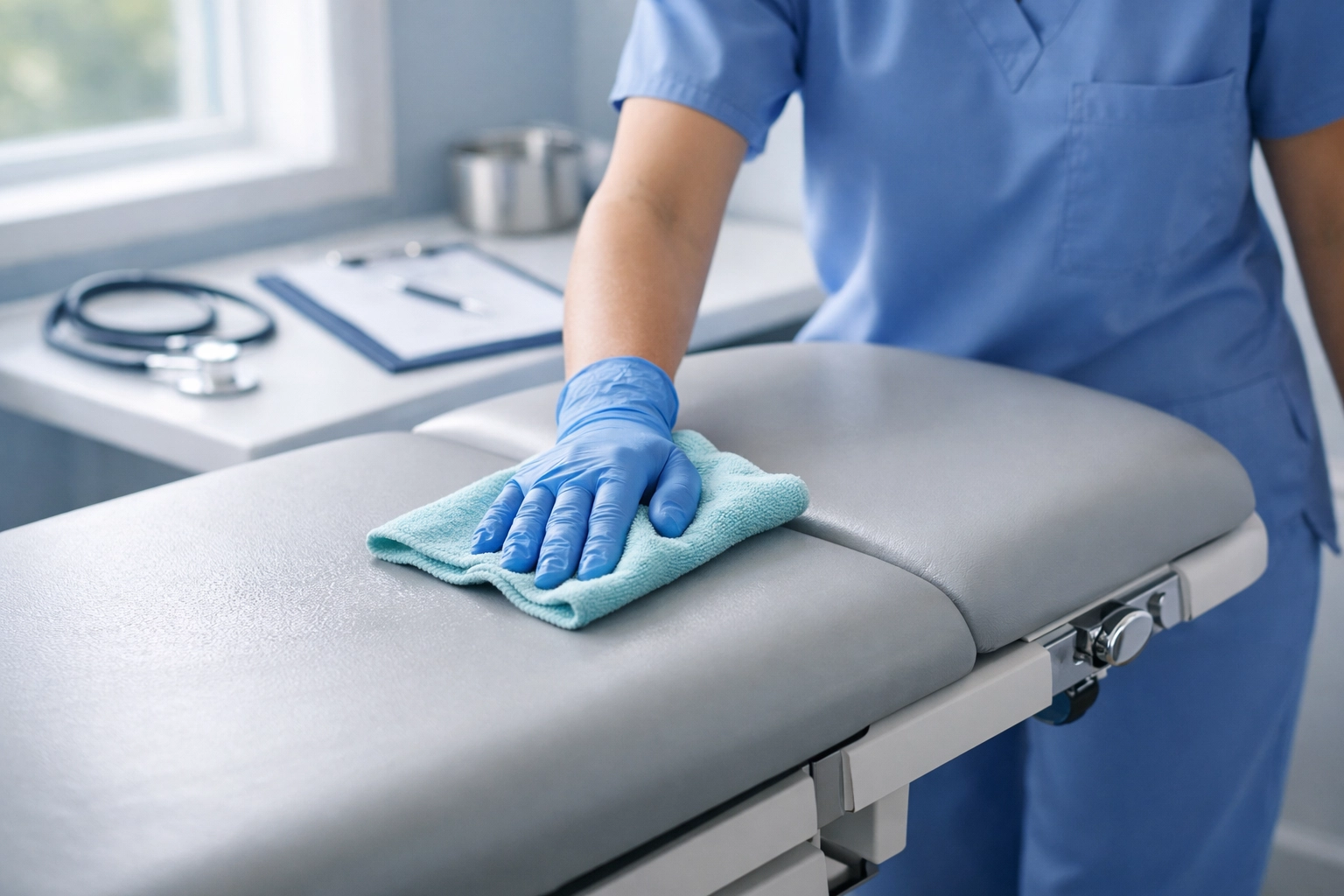
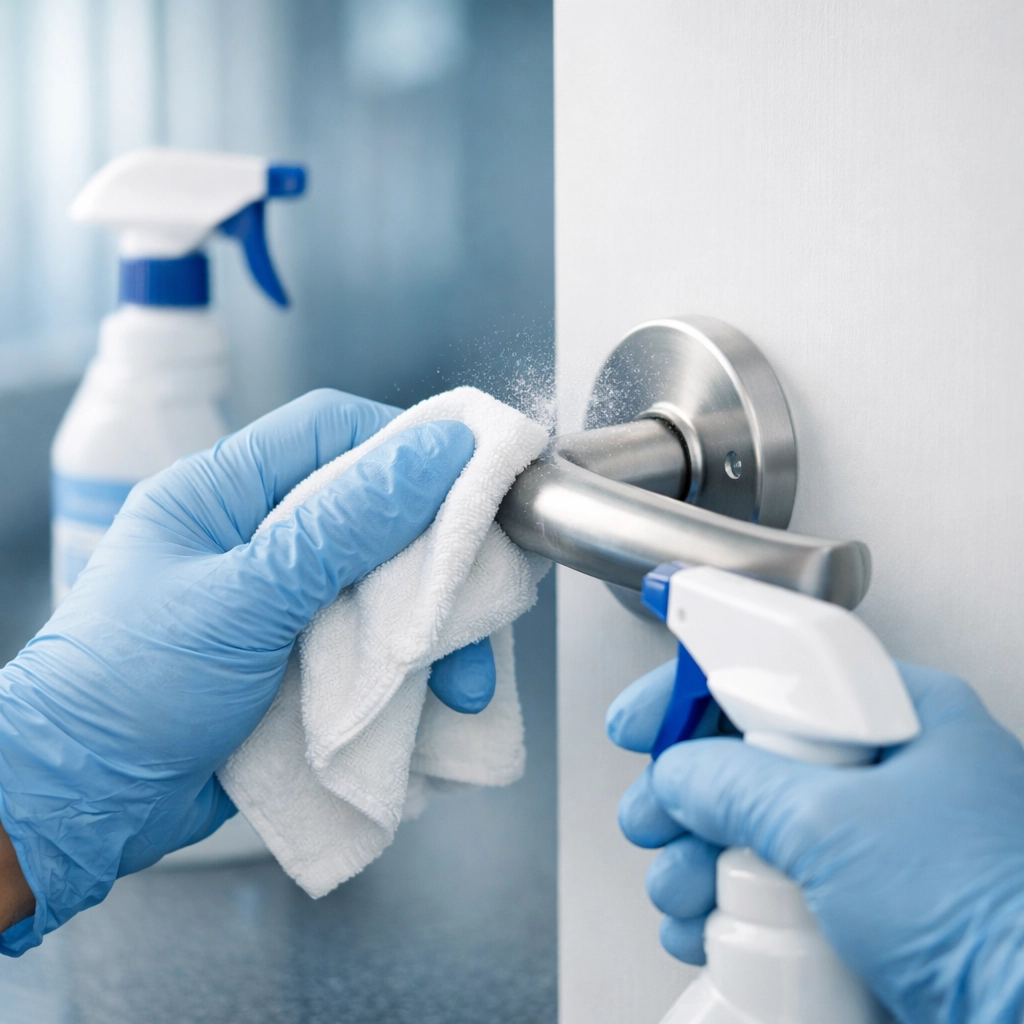
Your highest-risk areas require attention multiple times throughout the day. Door handles, light switches, exam room countertops, reception desks, keyboards, phones, and waiting room chairs all fall into this category. These surfaces should be cleaned and disinfected using EPA-registered disinfectants with appropriate dwell times: typically 10 minutes for hospital-grade products.
Having said that, the process matters just as much as the product. Professional healthcare cleaning services follow a two-step approach: first removing visible organic material, then applying disinfectant. This sequence is critical because disinfectants can't work effectively on soiled surfaces.
Your cleaning team should work systematically from high surfaces to low, and from cleaner zones to dirtier ones. This prevents cross-contamination between areas. For example, they should never use the same cloth in an exam room that they used in a restroom, even if it's been rinsed.
Weekly Deep Cleaning Requirements
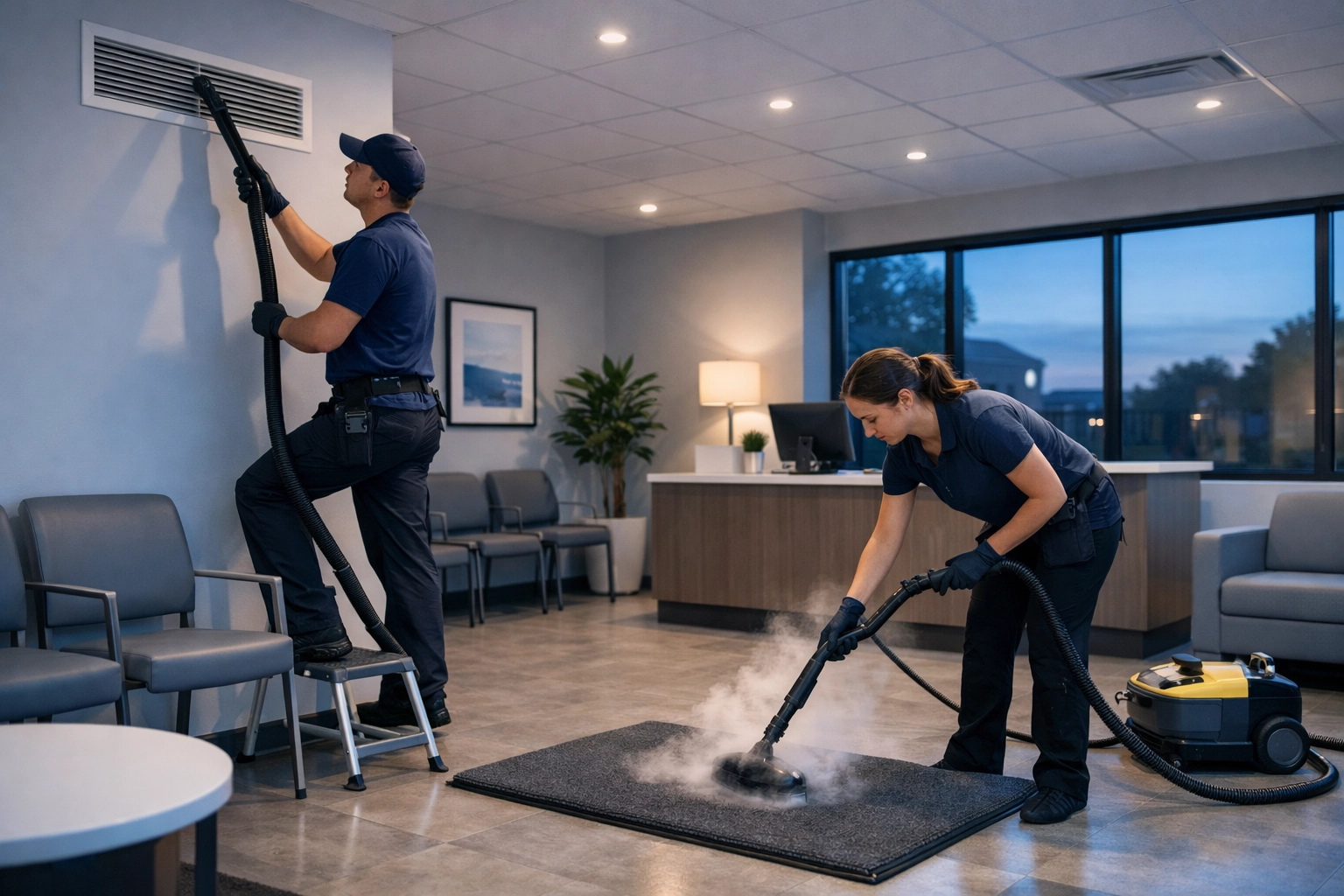
Beyond daily maintenance, medical offices need comprehensive weekly cleaning that addresses areas not covered in routine protocols. This includes sanitizing cabinet interiors, drawer pulls, and shelving units where supplies are stored. Floor mats should be laundered or steam-cleaned, and baseboards need scrubbing to remove accumulated dust and debris.
Air vents require weekly vacuuming to reduce allergen accumulation: particularly important for practices treating patients with respiratory conditions. Window sills, glass doors, and upholstered furniture should be inspected and spot-cleaned as needed. Enzyme cleaners work best for biological stains on fabric surfaces.
Generally speaking, these weekly tasks take 2-4 hours depending on your facility size, and they should be scheduled during off-hours to avoid disrupting patient care.
Monthly Inspections and Maintenance
Monthly walkthroughs serve multiple purposes. They verify that backup cleaning equipment is functional, check expiration dates on disinfectants and supplies, and identify potential protocol improvements. These inspections should include both your practice manager and your cleaning service supervisor to ensure alignment.
During these reviews, you'll want to assess whether your current cleaning frequency is adequate. A pediatric office with high daily volume may need more frequent deep cleans than a specialist practice seeing fewer patients. Your professional cleaning partner should help you make these determinations based on actual usage patterns rather than arbitrary schedules.
Compliance Documentation: Not Optional
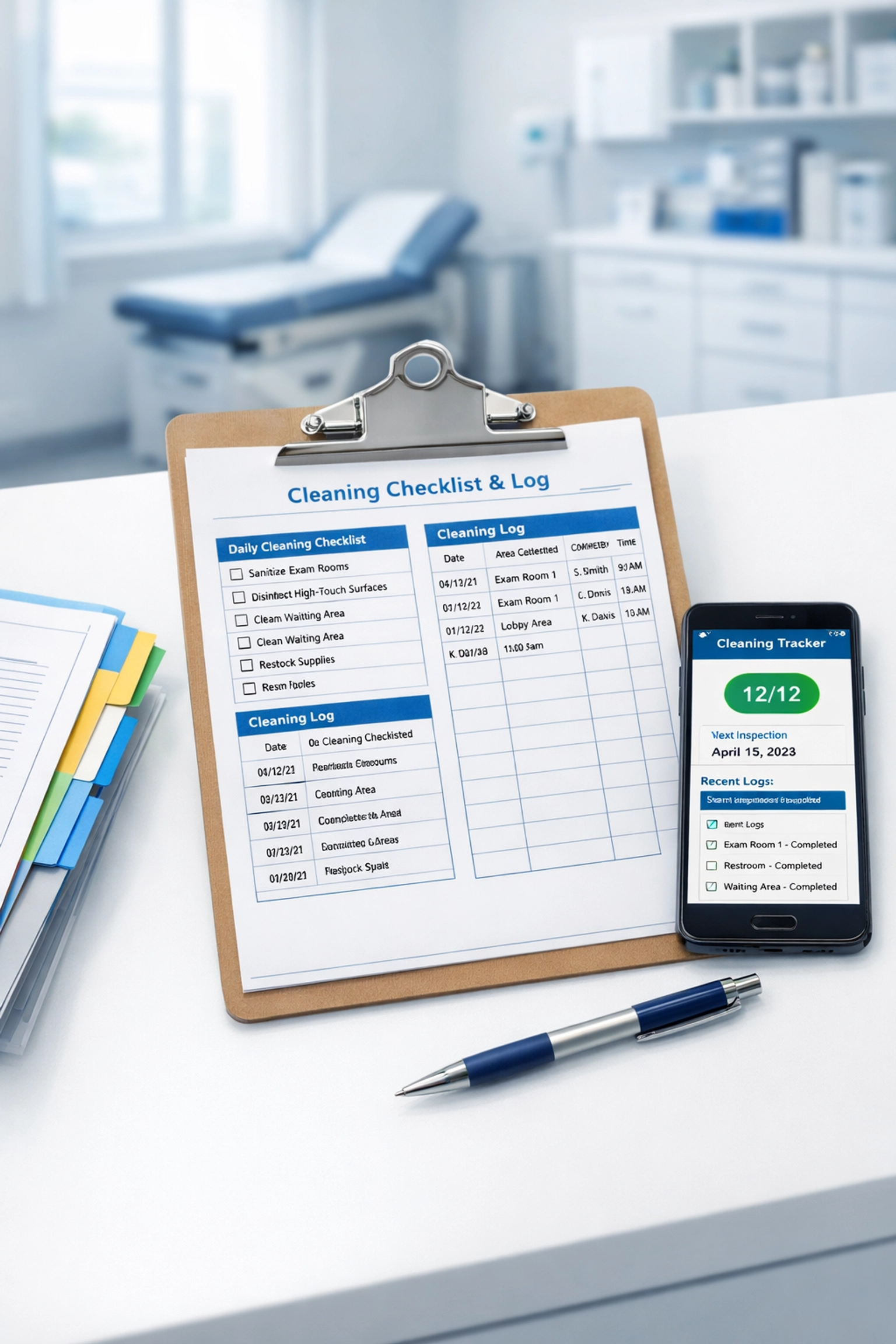
Medical office cleaning in 2026 requires detailed documentation. Cleaning checklists, completion logs, and job aids aren't just helpful: they're essential for regulatory compliance and quality assurance. When auditors arrive, they'll want to see exactly what was cleaned, when it was cleaned, who cleaned it, and which products were used.
Your healthcare cleaning services provider should maintain this documentation as part of their standard operating procedures. These records support not only compliance but also continuous improvement. When you can track cleaning patterns over time, you can identify problem areas and adjust protocols accordingly.
Many facilities in the Tri-State area have found that digital tracking systems streamline this process significantly. Mobile apps allow cleaning staff to check off tasks in real-time, and supervisors can access completion data instantly rather than waiting for paper logs.
Staffing Standards and Safety Training
The people cleaning your medical office need specialized training that goes well beyond general commercial cleaning. They must understand OSHA bloodborne pathogen standards, CDC infection control guidelines, and proper personal protective equipment (PPE) protocols. This training is mandatory, not optional, for occupational safety and compliance purposes.
Professional cleaners working in healthcare settings should know how to don and doff PPE correctly to avoid self-contamination. They need training on medical waste recognition: understanding which items require biohazard disposal versus regular trash. They should also know how to respond to potential exposure incidents, including whom to notify and what documentation is required.
At Cleaning Concept LLC, our teams receive ongoing training in these areas, with annual refreshers and updates whenever protocols change. This commitment to education ensures consistent quality across all our healthcare clients.
Product and Equipment Standards
Not all cleaning products are appropriate for medical offices. Your facility needs EPA-registered disinfectants that are effective against the specific pathogens relevant to your practice. For general medical offices, this typically means products effective against MRSA, VRE, and common respiratory viruses. Dental practices have additional requirements for dental unit water quality.
Equipment matters too. Microfiber cloths and mops are preferred over traditional materials because they trap particles more effectively and require less chemical usage. Exam lights, scales, and wall-mounted fixtures should be polished regularly to eliminate residue buildup that can harbor bacteria.
Fresh supplies are critical: never reuse cleaning cloths between rooms, even if they appear clean. Cross-contamination is one of the most common sources of HAIs, and it's entirely preventable with proper protocols.
Why Professional Healthcare Cleaning Services Make Sense
While these standards may seem demanding, they're necessary for patient safety and regulatory compliance. Many medical offices find that managing cleaning in-house diverts valuable staff time away from patient care. Your medical assistants and front desk staff have primary responsibilities that don't include mastering the latest CDC guidelines for environmental cleaning.
Professional commercial cleaning services that specialize in healthcare settings bring several advantages. They maintain current knowledge of evolving standards, carry appropriate insurance and bonding, and provide backup staff when regular cleaners are unavailable. They also invest in the specialized equipment and products required for medical facilities.
Having said that, not all cleaning companies are created equal. When evaluating healthcare cleaning services, ask about their experience with medical facilities specifically. Request documentation of their training protocols and insurance coverage. Ask for client references from similar practices in your area.
What to Look for in a Healthcare Cleaning Partner
Your ideal cleaning partner should demonstrate commitment to global health and safety standards while understanding the unique challenges of the Tri-State area market. They should be able to customize protocols based on your specific specialty, patient volume, and facility layout.
Look for providers who offer regular quality assurance inspections, maintain open communication channels, and respond quickly to concerns. The relationship should feel like a partnership rather than a vendor arrangement. Your cleaning service should proactively suggest improvements based on their experience across multiple healthcare clients.
Experience matters significantly in this field. A company with 12+ years serving medical facilities has encountered: and solved: virtually every cleaning challenge you might face. They understand how to balance thoroughness with efficiency, and they know which shortcuts are never acceptable in healthcare settings.
Moving Forward with Confidence
Medical office cleaning in 2026 requires more sophistication than ever before, but these elevated standards ultimately protect your patients, your staff, and your practice reputation. Whether you're evaluating your current cleaning arrangements or establishing protocols for a new facility, understanding these requirements helps you make informed decisions.
The investment in professional healthcare cleaning services typically pays for itself through reduced HAI risks, improved compliance audit outcomes, and staff time redirected to patient care. More importantly, it demonstrates your commitment to providing the safest possible environment for the patients who trust you with their health.
For medical offices across New Jersey and the Tri-State area, partnering with experienced professionals ensures you meet 2026 standards without the operational burden of managing these complex systems internally.
Comments